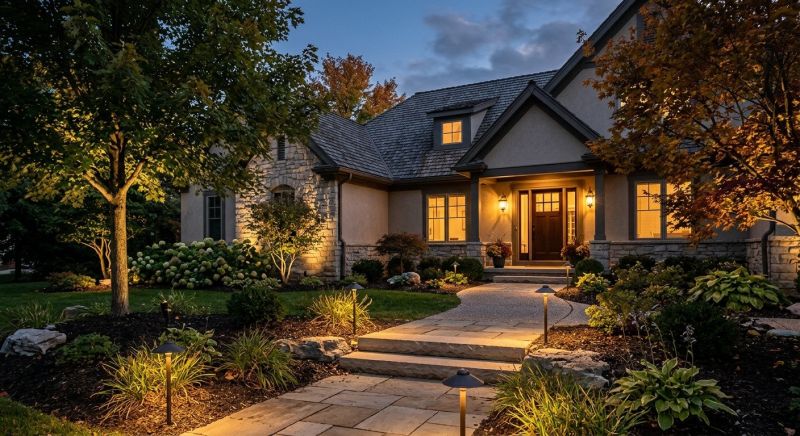
Low Voltage Lighting Service in Denver County, CO
Low voltage lighting services involve the installation, repair, and maintenance of lighting systems that operate on lower voltage electricity, typically under 30 volts. These systems are commonly used for landscape lighting, pathway illumination, accent lighting, and architectural features, enhancing both safety and aesthetic appeal around residential properties. Property owners often seek these services to improve outdoor visibility, create inviting atmospheres, or highlight specific landscape elements, requiring a clear understanding of the desired lighting effects, the scope of the project, and compatibility with existing electrical systems before requesting service.
Homeowners considering low voltage lighting should be aware of the different types of fixtures, wiring requirements, and design options available to achieve their goals. It's important to consider factors such as energy efficiency, durability of fixtures, and the placement of lights for optimal coverage. Clarifying the overall vision for outdoor illumination and any specific areas to be highlighted can help ensure the installation aligns with expectations, making the process smoother and more effective.
Many property owners in Denver County, CO look into Low Voltage Lighting Service for repairs, replacements, upgrades, and appearance-related improvements.
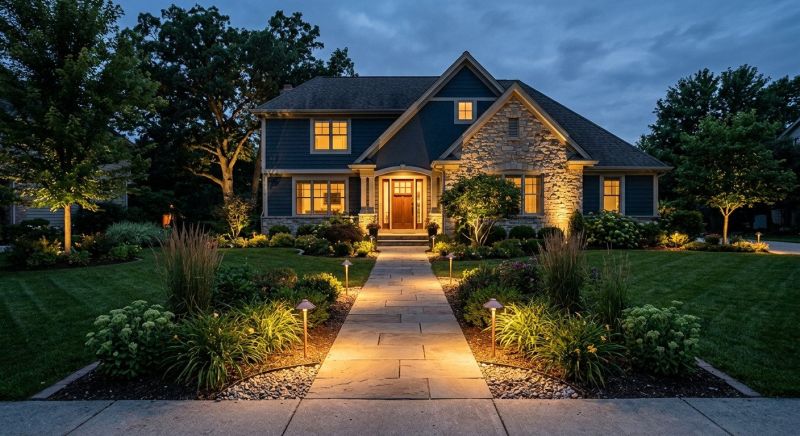
Landscape And Pathway Lighting
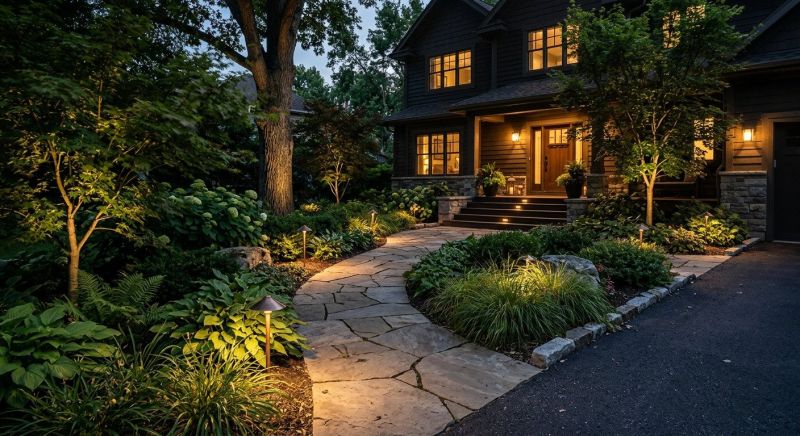
Low voltage lighting enhances outdoor pathways, gardens, and landscape features for improved safety and aesthetics.
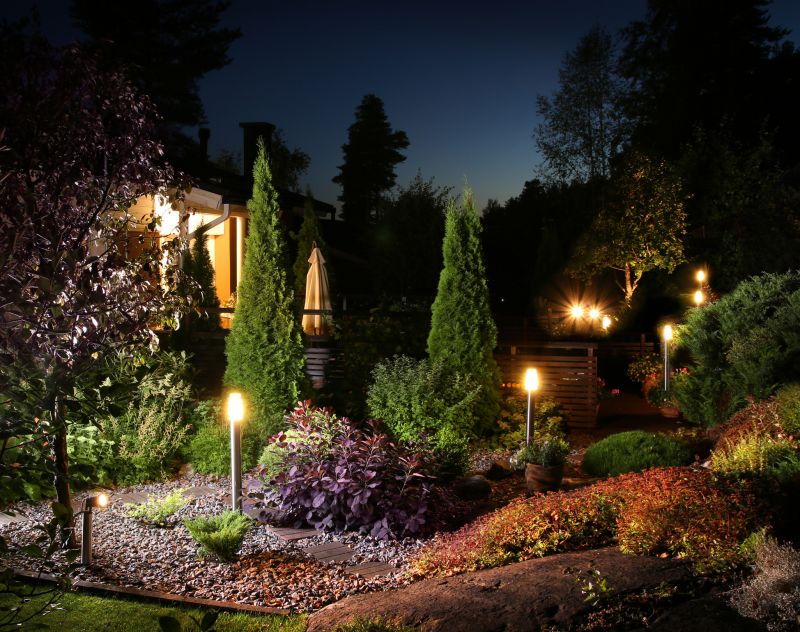
Accent And Architectural Lighting
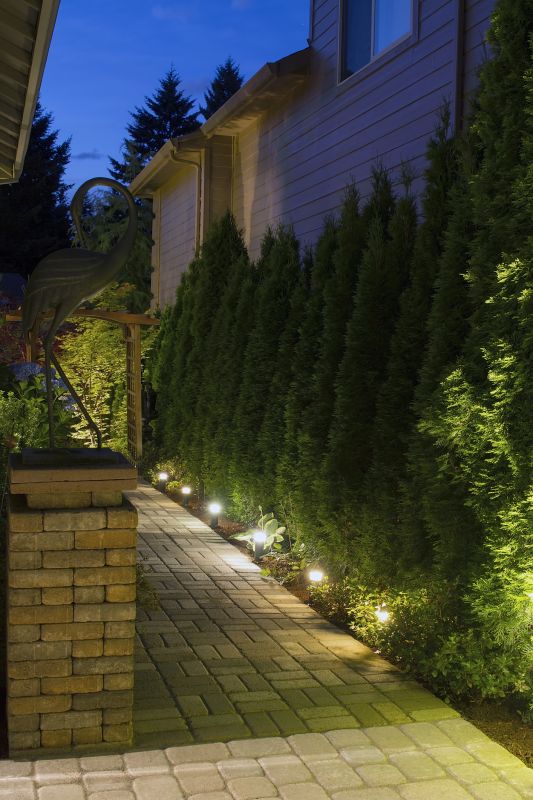
Adding low voltage fixtures can highlight architectural details and create inviting outdoor spaces in denver county.
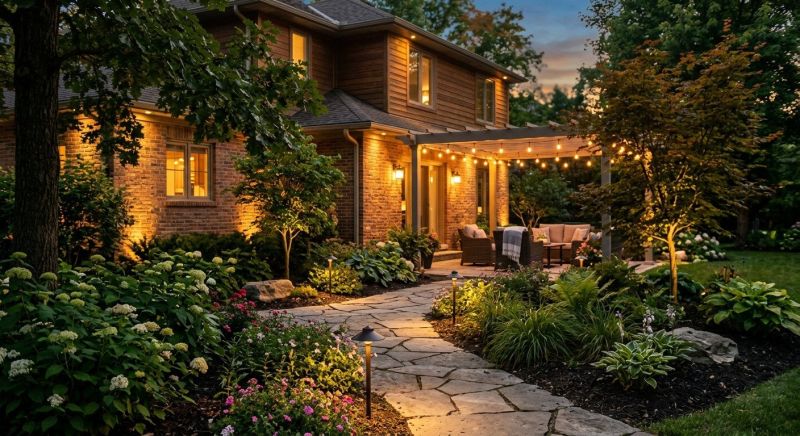
Security And Safety Illumination
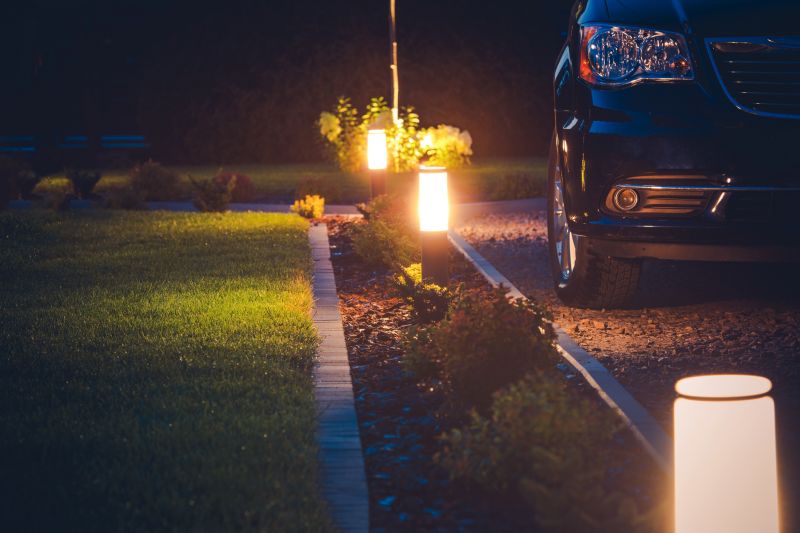
Strategic low voltage lighting helps improve security around properties and provides better visibility at night.
Low Voltage Lighting Service in Denver County, CO

Low voltage lighting services involve the installation, repair, and maintenance of lighting systems that operate on lower voltage electricity, typically under 30 volts. These systems are commonly used for landscape lighting, pathway illumination, accent lighting, and architectural features, enhancing both safety and aesthetic appeal around residential properties. Property owners often seek these services to improve outdoor visibility, create inviting atmospheres, or highlight specific landscape elements, requiring a clear understanding of the desired lighting effects, the scope of the project, and compatibility with existing electrical systems before requesting service.
Homeowners considering low voltage lighting should be aware of the different types of fixtures, wiring requirements, and design options available to achieve their goals. It's important to consider factors such as energy efficiency, durability of fixtures, and the placement of lights for optimal coverage. Clarifying the overall vision for outdoor illumination and any specific areas to be highlighted can help ensure the installation aligns with expectations, making the process smoother and more effective.
Many property owners in Denver County, CO look into Low Voltage Lighting Service for repairs, replacements, upgrades, and appearance-related improvements.
Common Low Voltage Lighting Service Jobs
Low Voltage Lighting Service Questions
What is low voltage lighting? Low voltage lighting uses a transformer to operate at a lower voltage, providing efficient and subtle illumination for outdoor or indoor spaces.
What types of projects are suitable for low voltage lighting? It is ideal for landscape lighting, pathway illumination, accent lighting, and highlighting architectural features.
Are low voltage lights safe for outdoor use? Yes, low voltage lighting is designed for outdoor environments and is safe when installed properly.
How does low voltage lighting improve property aesthetics? It enhances curb appeal by creating inviting and well-lit outdoor areas with focused, customizable lighting effects.
Request Low Voltage Lighting Service in Denver County, CO
Use the quote form on this page to share the basics of your project and request more information for the type of work you need.