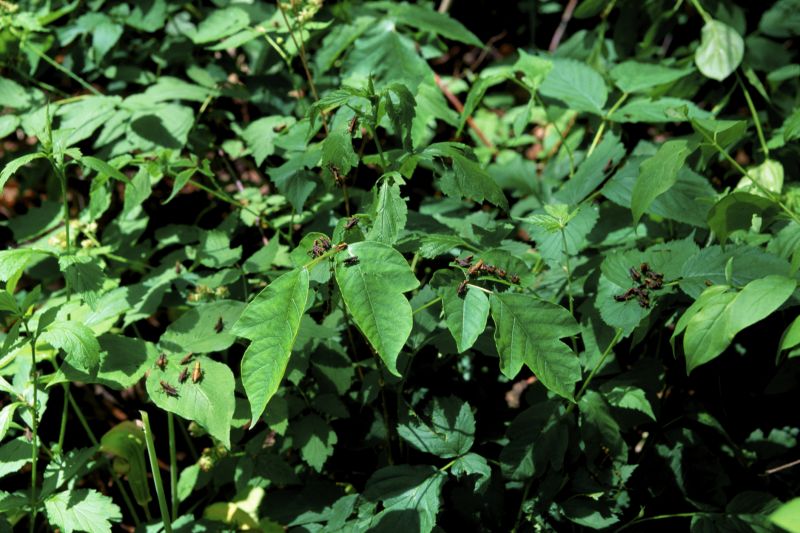
Poison Ivy Removal in Burlington County, NJ
Poison ivy removal services focus on safely eliminating this invasive plant from residential properties, including yards, gardens, and wooded areas. These services typically cover projects such as clearing overgrown brush, removing poison ivy from trees and fences, and restoring safe outdoor spaces for families and pets. Property owners often want to understand the scope of the removal process, the potential for regrowth, and any precautions needed during and after the work to prevent skin irritation or allergic reactions.
Before requesting poison ivy removal, homeowners should assess the extent of the infestation and identify all affected areas. It is important to communicate any concerns about nearby plants, structures, or landscaping that may be impacted. Additionally, understanding the methods used for removal-whether manual, chemical, or a combination-is helpful in planning for ongoing property maintenance and ensuring safety during the process.
Many property owners in Burlington County, NJ look into Poison Ivy Removal for repairs, replacements, upgrades, and appearance-related improvements.
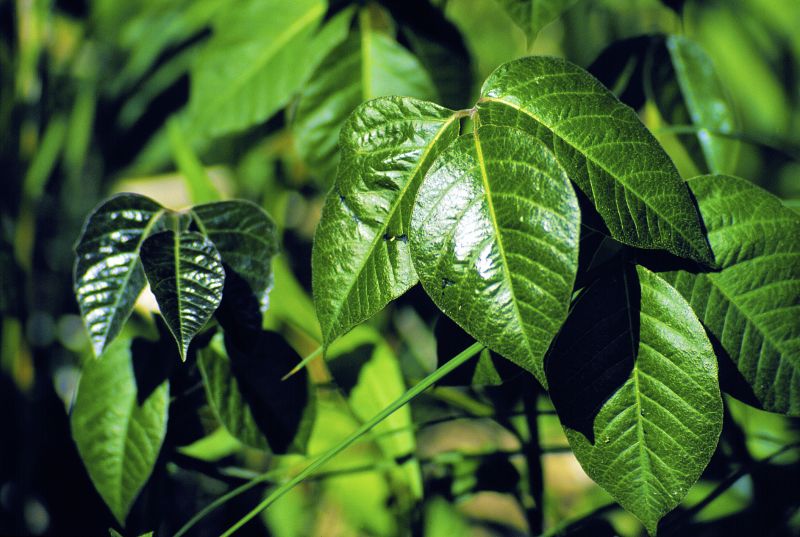
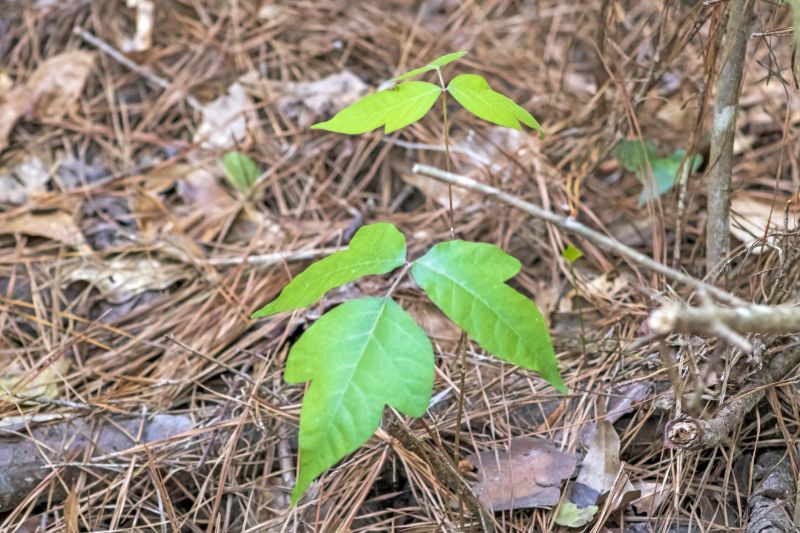
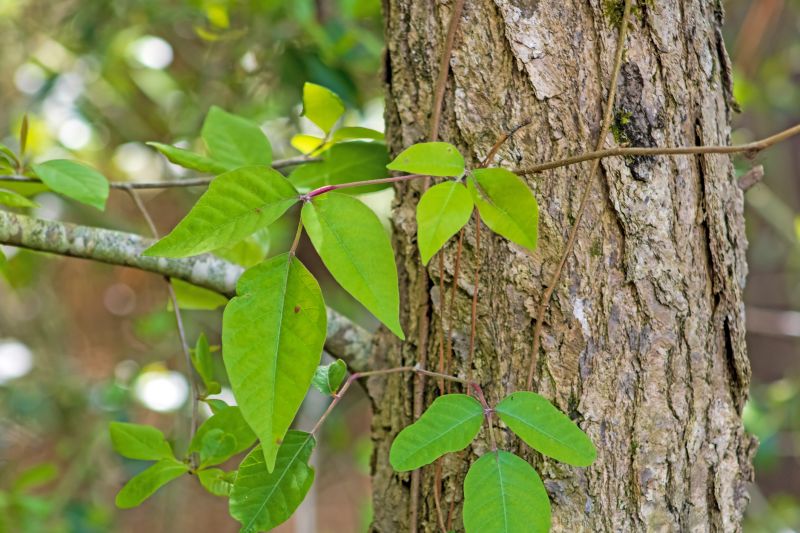
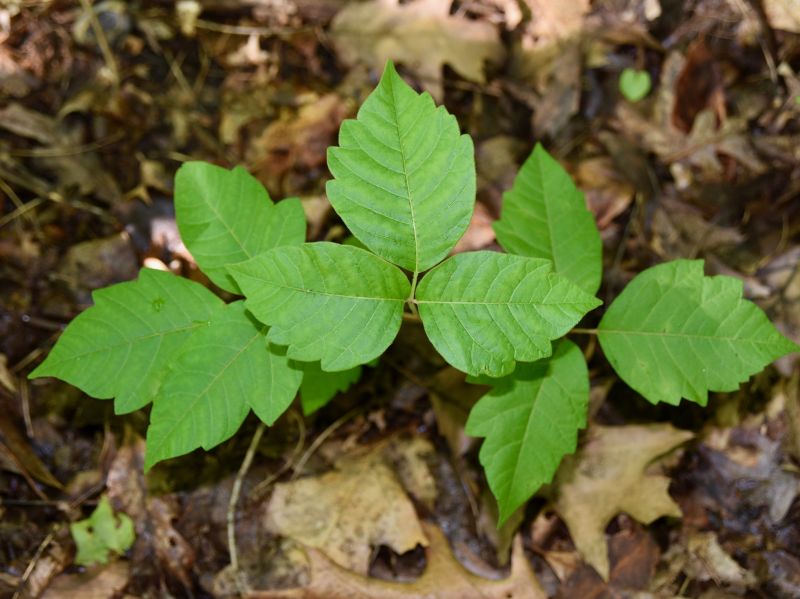
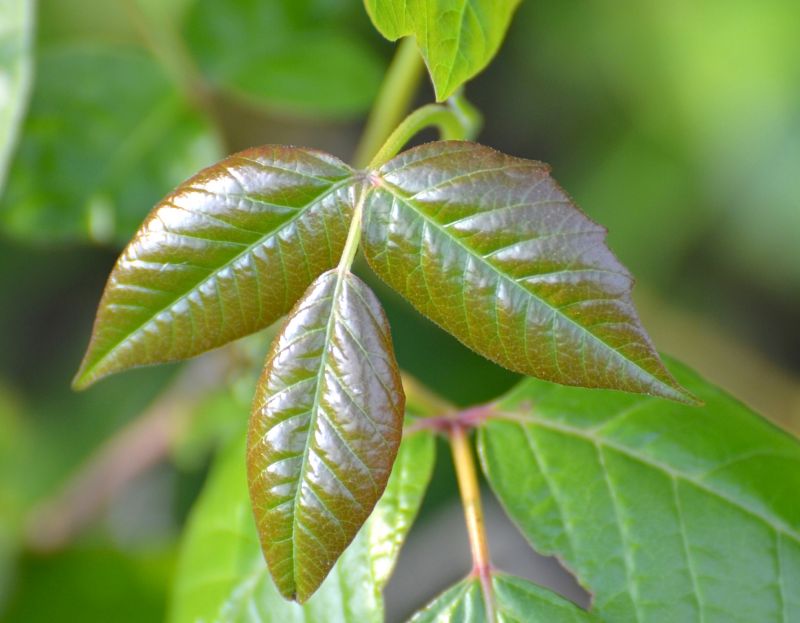
Poison Ivy Identification
Recognizing poison ivy helps prevent skin irritation and property damage.
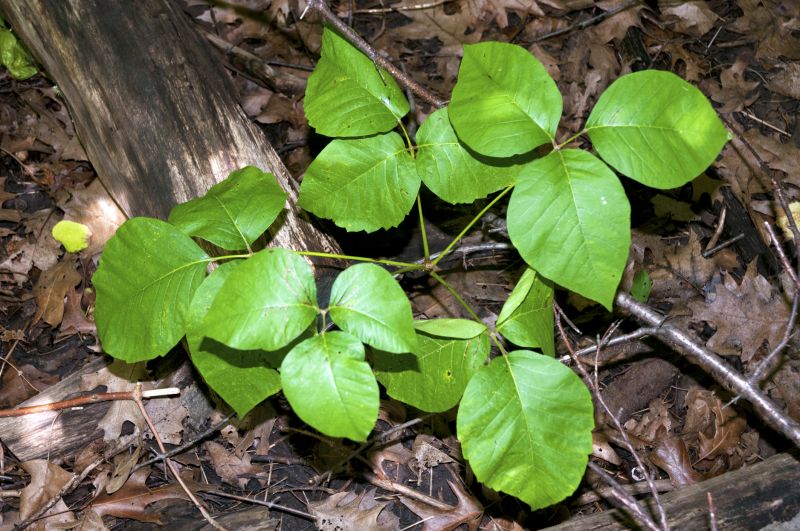
Removal Techniques
Effective removal methods ensure safe and complete elimination of poison ivy from your property.
Property Safety
Removing poison ivy reduces health risks and maintains the aesthetic appeal of residential and commercial landscapes in burlington county, nj.
Poison Ivy Removal in Burlington County, NJ
Poison ivy removal services focus on safely eliminating this invasive plant from residential properties, including yards, gardens, and wooded areas. These services typically cover projects such as clearing overgrown brush, removing poison ivy from trees and fences, and restoring safe outdoor spaces for families and pets. Property owners often want to understand the scope of the removal process, the potential for regrowth, and any precautions needed during and after the work to prevent skin irritation or allergic reactions.
Before requesting poison ivy removal, homeowners should assess the extent of the infestation and identify all affected areas. It is important to communicate any concerns about nearby plants, structures, or landscaping that may be impacted. Additionally, understanding the methods used for removal-whether manual, chemical, or a combination-is helpful in planning for ongoing property maintenance and ensuring safety during the process.
Many property owners in Burlington County, NJ look into Poison Ivy Removal for repairs, replacements, upgrades, and appearance-related improvements.
Common Poison Ivy Removal Jobs
Poison Ivy Removal - Safely eliminates invasive plants from yards and landscapes.
Yard Clearing - Removes poison ivy from lawns, gardens, and wooded areas.
Property Maintenance - Prevents future growth with targeted ivy removal services.
Vegetation Control - Manages overgrowth to improve safety and curb appeal.
Selective Removal - Focuses on hazardous plants near play areas and walkways.
Landscaping Assistance - Integrates ivy removal into overall yard and garden projects.
Poison Ivy Removal Questions
What is poison ivy removal? Poison ivy removal involves safely eliminating the plant to prevent skin irritation and property damage.
Why should poison ivy be removed? Removing poison ivy reduces the risk of allergic reactions and prevents it from spreading to other areas.
What methods are used for poison ivy removal? Methods include manual removal, herbicide application, and sometimes root excavation to ensure complete removal.
When should poison ivy removal be done? Removal is best performed when the plant is actively growing, typically in spring or early summer, to prevent spreading.
Request Poison Ivy Removal in Burlington County, NJ
Use the quote form on this page to share the basics of your project and request more information for the type of work you need.